RT.com
23 Aug 2025, 13:41 GMT+10
Such a summit may happen not because it will resolve the war, but because it serves the broader game of diplomacy
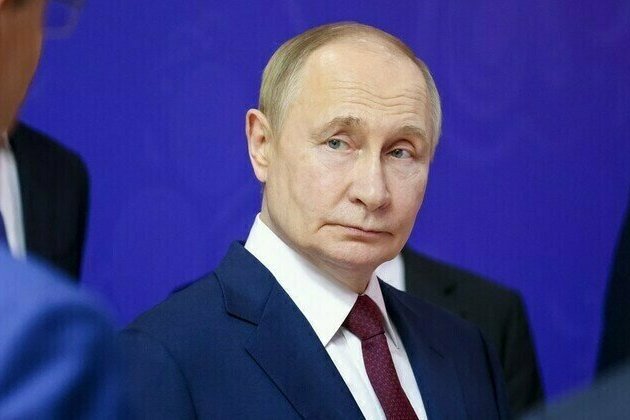
There were no surprises in the latest round of Ukraine diplomacy. After his much-publicised meeting with President Vladimir Putin in Alaska, US President Donald Trump followed up with talks in Washington with Vladimir Zelensky and his European backers. The result was predictable: the peace process derailed once again.
The conditions set out by Russia in Anchorage are already forgotten. Instead, the West is now obsessing over the prospect of a direct Putin-Zelensky encounter. The Americans have already mapped out not one but two meetings: a bilateral summit between the Russian and Ukrainian leaders, and a trilateral session that would include Trump. According to reports, Hungary has been floated as the preferred venue.
Western media even claim that Putin himself requested a meeting with Zelensky, supposedly in Moscow. The Trump administration insists that Russia has agreed to everything. Yet the Kremlin remains silent, issuing only vague references to "raising the level of delegations." This studied ambiguity recalls the build-up to the Putin-Trump summit and suggests that the idea cannot be dismissed outright.
The truth is simple: such a meeting is not required by "objective realities" or common sense. It is dictated instead by the dynamics of a process that has turned into a performance designed to hold Trump's attention.
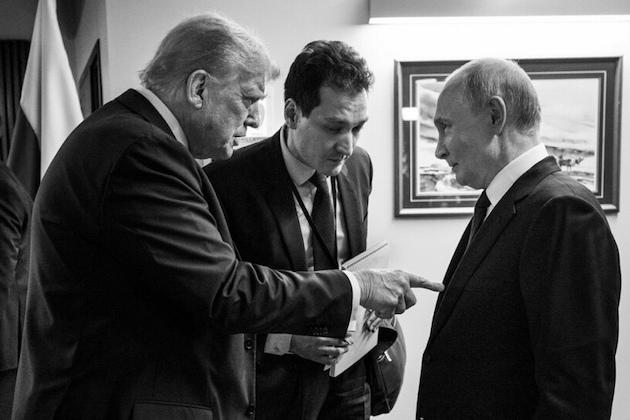
Putin's meeting with Trump on 15 August was not about reaching a breakthrough. It was a political gesture to demonstrate Russia's openness and to shift responsibility onto Ukraine and the European Union. The West is now trying to turn the same tactic against Moscow: framing Russia as the obstacle to peace and forcing Putin into a face-to-face encounter with Zelensky.
Kiev and Western European capitals are pushing Russia to accept "security guarantees" for Ukraine, something Moscow has been proposing since 2022. But the way these guarantees are now being drafted makes them deliberately unacceptable for Russia. EU leaks suggest demands that amount to little more than NATO membership in disguise: permanent Western troops on Ukrainian soil, binding guarantees from the alliance, and no recognition of territorial realities.
The Kremlin cannot simply reject such proposals outright. Doing so would allow Trump to walk away from the process and pin the blame on Moscow. For that reason, Russia may ultimately have to go through the motions of agreeing to a summit.
Little of substance. Russia and Ukraine remain far apart on every meaningful issue. Moscow hopes its military superiority will translate into concessions, but Kiev shows no willingness to compromise. Ukraine refuses to recognise territorial changes, rejects the idea of troop reductions or exchanges, and continues to demand reparations. Even the tentative agreement to keep NATO membership off the table has been undermined by Zelensky's insistence on NATO-style guarantees.
The only factors that might soften Ukraine's stance - the collapse of its front lines, a breakdown of EU support, or the United States walking away from the conflict - are nowhere in sight. As long as Zelensky stays unyielding, any summit would have the same outcome as the earlier Medinsky-Umerov talks: limited progress on humanitarian issues, no peace deal.
Yet the point of such a meeting is not to make peace with Zelensky. It is to keep Trump engaged and maintain strategic uncertainty. For that reason alone, Moscow has good reason to appear open to the idea of a summit.
If the Kremlin does agree, the key will be to control the format. Ideally, the talks should be trilateral, with Trump at the table. This would prevent Kiev from spinning the outcome as a diplomatic victory and would ensure that Washington remains responsible for the process.
The choice of venue is also critical. Hungary, with its friendlier stance toward Moscow, would be an acceptable host. Predictably, Ukraine and the Western Europeans will resist such a move. But Zelensky's preferences are ultimately secondary. If Trump can be persuaded to attend, the Ukrainian president will have little choice but to follow.
In this sense, the goal is not to negotiate with Zelensky but to shape the atmosphere around him. A carefully staged summit could place pressure on the Ukrainian leader, making him appear weak and pushing him toward concessions he might otherwise resist. His visit to Washington earlier this year already showed how vulnerable he is to Trump's personal style and political leverage.
None of this should be confused with a real peace process. Russia does not expect to sign a final settlement with Zelensky, nor is Ukraine prepared to compromise. But appearances matter. By showing openness, Moscow avoids being cast as the spoiler while placing the burden of intransigence on Kiev.
That is why, paradoxically, a Putin-Zelensky summit may still happen. Not because it will resolve the war, but because it serves the broader game of diplomacy. The real audience is not Zelensky at all. It is Trump.
This article was first published by the online newspaperGazeta.ruand was translated and edited by the RT team
(RT.com)
Get a daily dose of Illinois Intelligencer news through our daily email, its complimentary and keeps you fully up to date with world and business news as well.
Publish news of your business, community or sports group, personnel appointments, major event and more by submitting a news release to Illinois Intelligencer.
More InformationMONTREAL, Canada: Air Canada's operations were paralyzed on the morning of August 18 after striking flight attendants refused to comply...
TORONTO, Canada: Air Canada suspended all flights early on August 16 after more than 10,000 flight attendants walked off the job, triggering...
WASHINGTON, D.C.: The Pan American Health Organization (PAHO) noted that measles cases are surging across the Americas, with North...
Such a summit may happen not because it will resolve the war, but because it serves the broader game of diplomacy There were no surprises...
New Delhi [India], August 23 (ANI): External Affairs Minister S Jaishankar on Saturday hit out at the United States for what he called...
Washington, DC [US], August 23 (ANI): Sergio Gor on Friday (local time) expressed gratitude to US President Donald Trump after being...
NEW DELHI, India: At a press conference in New Delhi on August 20, Russia's Ambassador to India, Roman Babushkin, firmly declared that...
WASHINGTON, D.C.: Since returning to the White House in January, President Donald Trump has cast himself as a global peacemaker, repeatedly...
WASHINGTON, D.C.: The Trump administration announced this week that it has revoked the security clearances of 37 current and former...
NEW YORK CITY, New York: Delta Air Lines and United Airlines are facing class-action lawsuits from passengers who say they paid premium...
RAFAH, Egypt: Hamas announced this week that it has accepted a new ceasefire proposal from Arab mediators, even as Israel signaled...
NEW DELHI, India: Indian Prime Minister Narendra Modi met Chinese Foreign Minister Wang Yi on August 19 in the capital, signaling a...