Xinhua
28 Sep 2025, 16:45 GMT+10
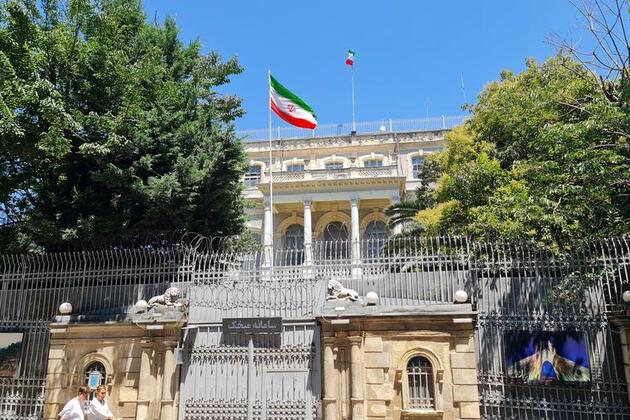
While the sanctions might have short-term effects, they are unlikely to produce "determining and paralyzing" impact on Iran's economy, said an Iranian expert.
TEHRAN, Sept. 28 (Xinhua) -- Sanctions lifted under a 2015 Iranian nuclear deal were reimposed Saturday evening, following the failure of a UN Security Council resolution to extend sanctions relief for Iran.
On Aug. 28, France, Britain, and Germany, collectively known as the E3, invoked the nuclear deal's "snapback" mechanism, a clause in the 2015 agreement that allows for the reimposition of UN sanctions within 30 days if Iran is deemed in breach of the 2015 nuclear deal. The E3 cited Tehran's "persistent and significant non-performance," while Iran insisted that its nuclear program remains entirely peaceful.
On Sept. 19, the UN Security Council failed to adopt a resolution that would have extended sanctions relief under the Joint Comprehensive Plan of Action (JCPOA), the 2015 Iranian nuclear deal. A subsequent resolution, which sought a six-month extension of both the JCPOA and Resolution 2231 that endorses the accord, also failed to pass on Friday.
WHAT ARE THE SANCTIONS?
Under the "snapback" mechanism, sanctions imposed by the Security Council on Iran in six resolutions from 2006 to 2010 will be reinstated.
The sanctions include an arms embargo, a ban on the transfer of nuclear-related materials and technology, restrictions on ballistic missile activities capable of delivering nuclear weapons, asset freezes and travel bans targeting Iranian individuals and entities linked to its nuclear and missile programs, financial and economic restrictions, and authorization for countries to inspect cargoes to and from Iran for banned goods.
In exchange for delaying the reinstatement of sanctions, the E3 has demanded that Iran grant the International Atomic Energy Agency full access to its nuclear sites, clarify the status of 400 kilograms of uranium enriched to 60 percent purity -- which Tehran claims lies buried beneath the rubble of the nuclear facilities attacked by the United States in June -- and resume nuclear talks with Washington.
WHO'S BEHIND THE REINSTATEMENT?
Europe's decision to trigger the mechanism for reinstating international sanctions on Iran came primarily under U.S. pressure, analysts have said.
Hassan Beheshtipour, an Iranian international affairs analyst, noted that European nations agreed to activate the "snapback" mechanism mainly due to pressure from the United States and Israel, despite knowing that the United States and Israel had attacked Iran's nuclear sites.
Beheshtipour also pointed to other factors behind the European move, including resentment over Iran's alleged support for Russia in the conflict with Ukraine and concerns about Iran's human rights record.
Echoing this view, the semi-official Mehr news agency noted in a recent analysis that after the U.S. administration failed to secure unilateral concessions in indirect negotiations with Iran and following the 12-day Israeli-U.S. attacks on Iranian territory, "the White House is using every tool to deal blows on Tehran."
The report added that in recent weeks, the United States has significantly heaped pressure on Europe, particularly the E3.
It cited an unnamed Iranian diplomatic source, who claimed that the European countries were pressured into making this decision and that their actions were not entirely of their own volition.
WHAT'S THE IMPACT OF THE SANCTIONS?
Beheshtipour said the most serious consequence of reinstating the UN Security Council resolutions is that they would once again bring Iran under Chapter VII of the UN Charter, which gives the Security Council authority to take enforcement measures when it identifies "any threat to the peace, breach of the peace, or act of aggression."
"These resolutions will unjustly present Iran as a threat to international peace and security, which is completely unacceptable and very bad for the country," he said, warning that the resolutions would effectively legitimize hostile actions the West might take against Iran.
While stressing that sanctions against Iran are not new, Iranian international affairs expert Hossein Kanaani-Moqaddam told Mehr News Agency that placing Iran under Chapter VII of the UN Charter would allow the United States and NATO to conduct military operations against the country under the UN's cover.
Mirqassem Momeni, an Iranian international affairs expert, described the reinstatement of sanctions as part of an "extensive psychological warfare" by the West aimed at increasing pressure on Tehran.
He said the move is intended to isolate Iran, noting that the United States and Europe have already imposed nearly all sanctions at their disposal and now lack new tools to further pressure the country.
Momeni added that while the sanctions might have short-term effects, they are unlikely to produce "determining and paralyzing" impact on Iran's economy.
Comparing the new UN sanctions with those of the United States, Beheshtipour said that the UN measures are neither qualitatively nor quantitatively comparable to the coercive U.S. measures imposed since 2018.
Following a pullout from the JCPOA in 2018, the United States launched a "maximum pressure" campaign, imposing sanctions on Iran's oil and banking sectors to stop its nuclear program. These sanctions set off a sharp depreciation of the Iranian currency, as Washington has continually expanded the embargoes over the years.
The U.S. measures have also restricted money transfers to and from Iran, making it difficult for Iran to import essential goods, including medicine. Other sectors affected include aviation, petrochemicals and metals.
Get a daily dose of Illinois Intelligencer news through our daily email, its complimentary and keeps you fully up to date with world and business news as well.
Publish news of your business, community or sports group, personnel appointments, major event and more by submitting a news release to Illinois Intelligencer.
More InformationWhile the sanctions might have short-term effects, they are unlikely to produce determining and paralyzing impact on Iran's economy,...
New Delhi [India], September 28 (ANI): The supply of luxury hotels in India is expected to remain constrained due to several high barriers...
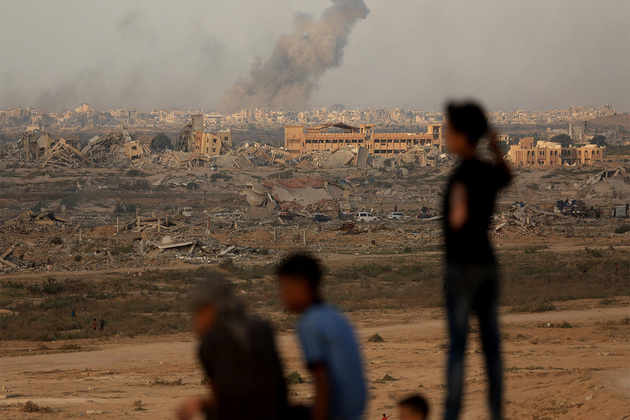
New York [US], September 28 (ANI): The United States of America has proposed a 21-point plan towards ending the war in Gaza, which...
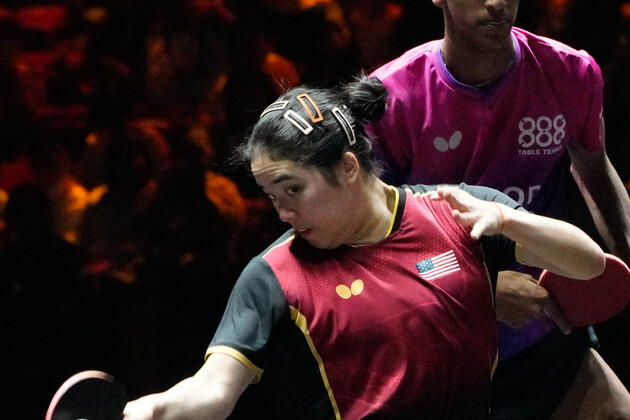
(250928) -- BEIJING, Sept. 28, 2025 (Xinhua) -- Nandan Naresh/Sally Moyland (L) compete during the mixed doulbes round of 32 match...
New York [US], September 28 (ANI): The Consulate General of India in New York on Sunday celebrated World Ayurveda Day with a special...
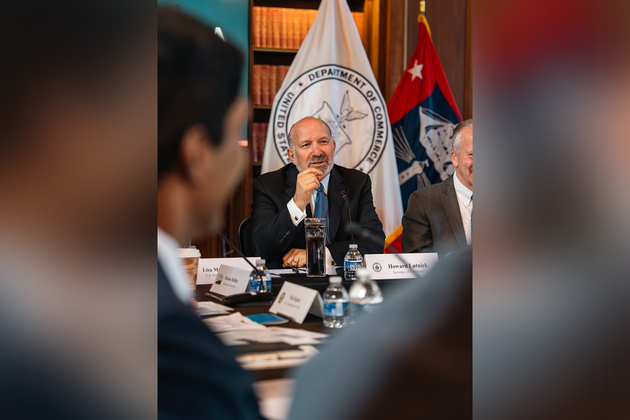
Washington DC [US], September 28 (ANI): US Commerce Secretary Howard Lutnick on Sunday in an interview with News Nation said that India...
WASHINGTON, D.C.: Hillary Clinton criticized Robert F. Kennedy Jr. and the Trump administration this week, accusing them of undermining...
WASHINGTON, D.C.: A federal judge this week declined to reinstate eight former inspectors general who sued after being abruptly dismissed...
GOYANG, South Korea: The country's National Assembly is expected to pass the Tattooist Act, which would formally allow non-medical...
OSLO, Norway: When the Nobel Peace Prize is announced on October 10, experts say one name can safely be ruled out: U.S. President Donald...
WASHINGTON, D.C.: President Donald Trump's approval rating edged down in recent weeks as concerns grew over the U.S. economy and his...
OSLO, Norway: Norwegian police said this week they were investigating an explosion in central Oslo, where a second device was later...