


US Says Iran Rejected Nuclear Offer Before Preemptive Strikes
RFE
01 Mar 2026, 04:24 GMT+10
 Share
Share
 Tweet
Tweet
 Share
Share
 Flip
Flip
 Email
Email
Subscribe and Follow
Get a daily dose of Illinois Intelligencer news through our daily email, its complimentary and keeps you fully up to date with world and business news as well.


News RELEASES
Publish news of your business, community or sports group, personnel appointments, major event and more by submitting a news release to Illinois Intelligencer.
More Information"Acted to stop an existential threat to Israel, to our allies, and to global stability": Israel's Ambassador to UN
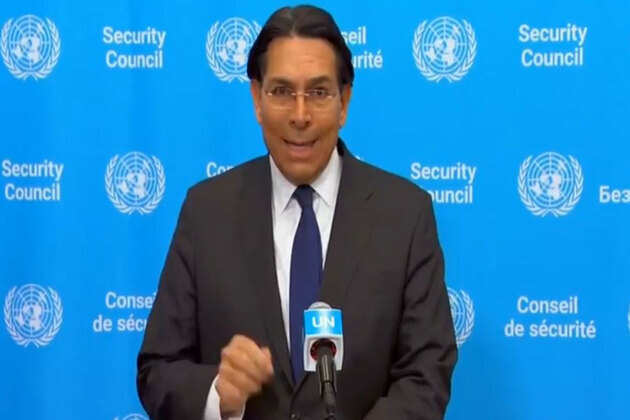
Paris [France], March 1 (ANI): Israel's Ambassador to the United Nations Danny Danon said that Israel, together with the United States,...
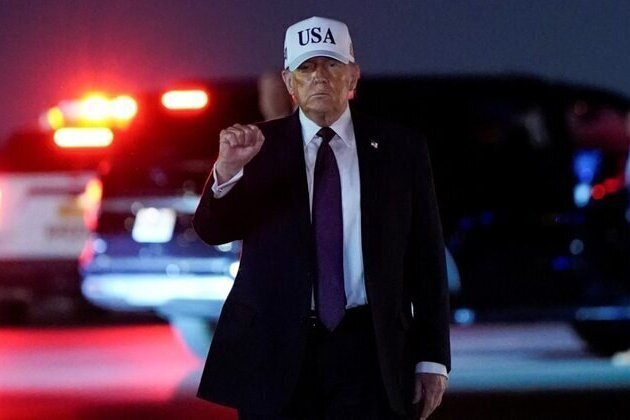
US Says Iran Rejected Nuclear Offer Before Preemptive Strikes
WASHINGTON -- The United States said on February 28 that it launched preemptive military strikes against Iran after concluding that...
"Greatest chance for Iranian people to take back their country": Trump after Khamenei's death in Tehran strike
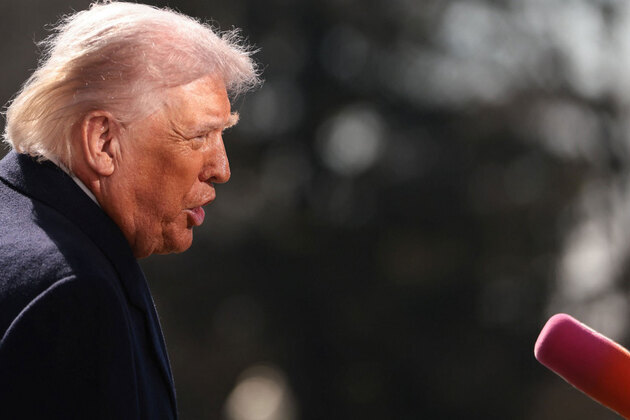
Washington DC [US], March 1 (ANI): US President Donald Trump on Saturday (local time) said that Iran's Supreme Leader Ali Khamenei...
"Lead architect of global terrorism is DEAD": House Republicans on reported death of Iran's Khamenei
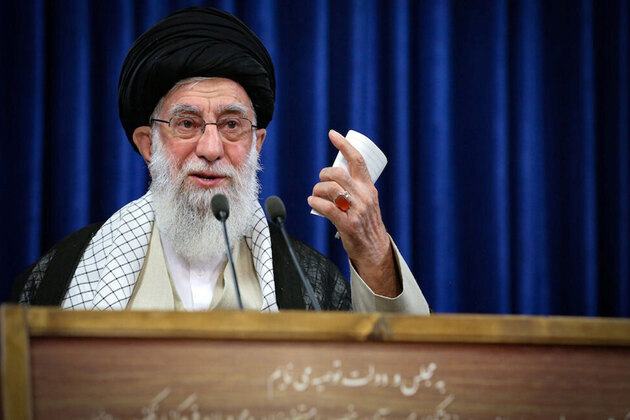
Washington DC [US], March 1 (ANI): The Republican leadership in the United States House of Representatives on Saturday (local time)...
President Trump monitors US military action in Iran

Washington DC [US], March 1 (ANI): US President Donald Trump is closely overseeing ongoing American military actions in Iran, which...
444 flights likely to be cancelled amid Iran-Israel tensions: MoCA

New Delhi [India], March 1 (ANI): The Ministry of Civil Aviation on Sunday announced that 444 flights are expected to be cancelled...
U.S., Israel confirm Ayatollah Ali Khamenei's assassination
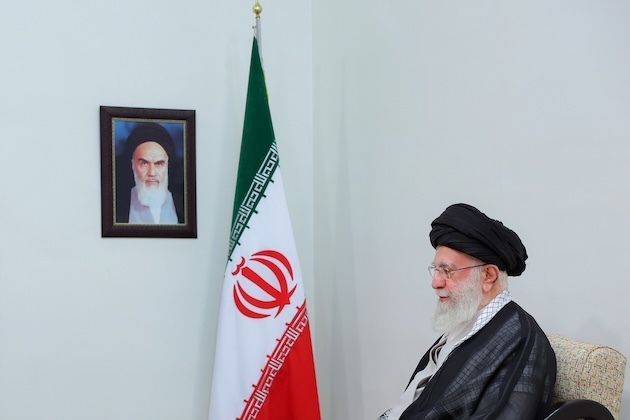
WASHINGTON DC - Iran's Supreme Leader Ayatollah Ali Khamenei is dead, according to Israeli and U.S. officials. There has been no...
Gulf countries rocked by outbreak of Israel-U.S. war against Iran
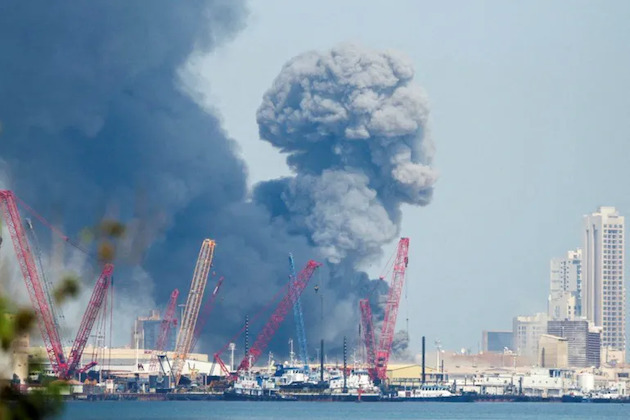
DUBAI, UAE - Loud explosions have been heard in Dubai, while a Pakistani national has been killed by falling debris from a missile...
Trump dispenses with diplomacy, launches war against Iran
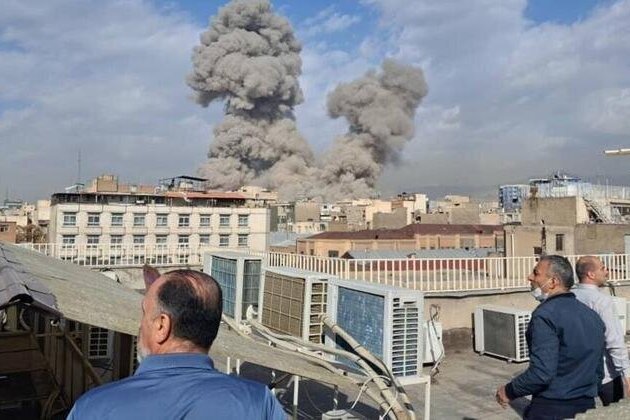
The United States and Israel launched a wave of air strikes against targets in Iran on Saturday, triggering explosions and columns...
Trump’s State of Union speech had a lot of false, misleading claims

WASHINGTON, D.C.: During his State of the Union address, U.S. President Donald Trump spoke on inflation, immigration, tariffs, and...
Amnesty plan leaves migrants, officials bracing for chaos

MADRID, Spain: Spain's plan to grant legal status to at least half a million undocumented migrants is already straining immigration...
Louvre Museum chief quits following rising pressure after jewel heist

PARIS, France: Laurence des Cars, the director of the iconic Louvre Museum, resigned on February 24 after being in the public glare...
