


Three Things To Watch As The US-Iran Cease-Fire Takes Hold
RFE
08 Apr 2026, 20:44 GMT+10
 Share
Share
 Tweet
Tweet
 Share
Share
 Flip
Flip
 Email
Email
Subscribe and Follow
Get a daily dose of Illinois Intelligencer news through our daily email, its complimentary and keeps you fully up to date with world and business news as well.


News RELEASES
Publish news of your business, community or sports group, personnel appointments, major event and more by submitting a news release to Illinois Intelligencer.
More InformationIran has prevailed, and the Middle East has changed
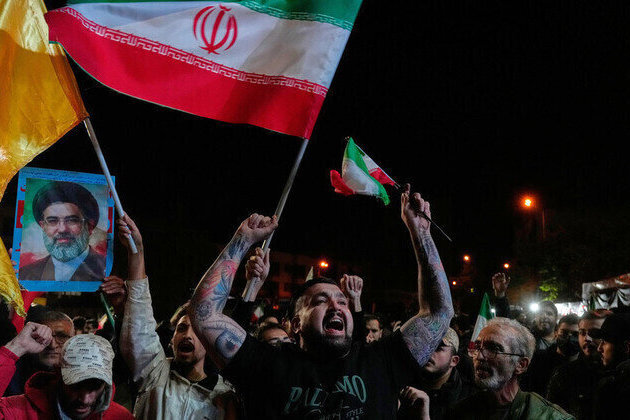
Five lessons from a war Tehran didnt lose US President Donald Trump has, in the end, found a way out of the situation he created...
(SpotNews) IRAN-TEHRAN-CEASEFIRE-CITY VIEW
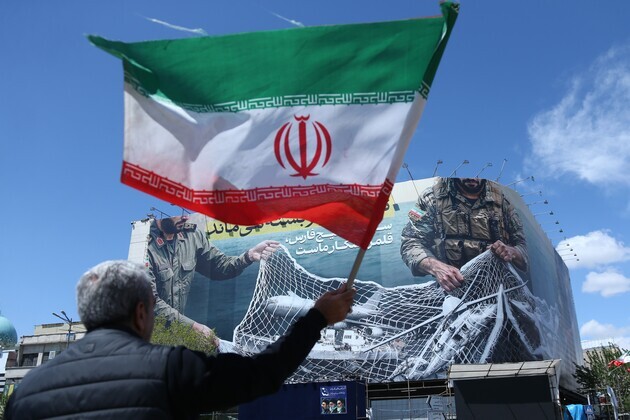
(260408) -- TEHRAN, April 8, 2026 (Xinhua) -- A man attends a rally in Tehran, Iran, April 8, 2026. Iran and the United States have...
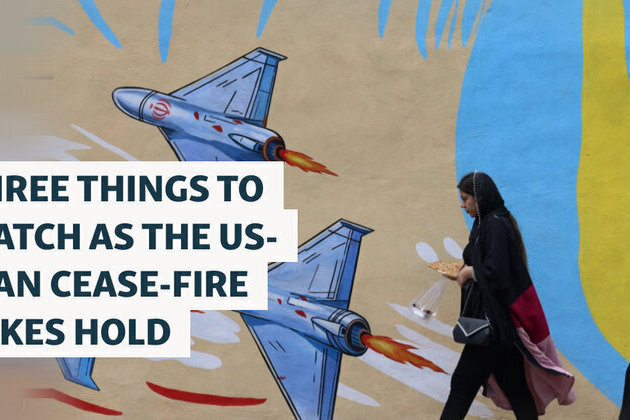
Three Things To Watch As The US-Iran Cease-Fire Takes Hold
The United States and Iran have agreed to a two-week cease-fire, brokered by Pakistan, premised on Iran reopening the Strait of Hormuz....
China unveils large model for carbon emission accounting

SHANGHAI, April 8 (Xinhua) -- China unveiled a new large model for carbon emission accounting on Wednesday, marking a major technological...
How Pakistan Bolstered Its Diplomatic Image By Brokering A Cease-Fire
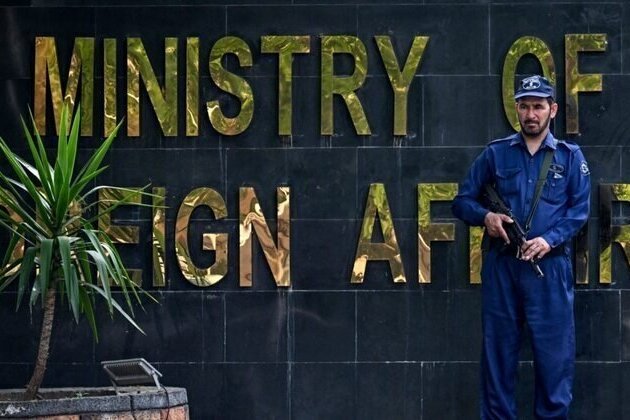
Pakistan appears to have achieved a significant diplomatic breakthrough by playing a proactive role in brokering a 14-day cease-fire...
Xinhua Headlines: Transatlantic rifts highlight NATO at crossroads
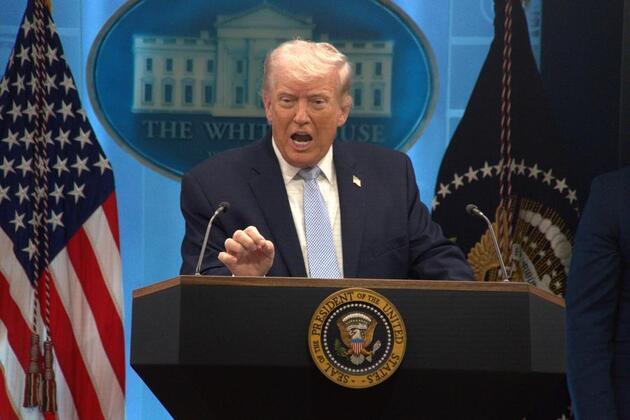
* The backdrop to Washington's fury is a near-unanimous refusal by European NATO members to be drawn into a war they had no role in...
Two-week Iran ceasefire announced

WASHINGTON, DC - In a stunning 11th hour development, former President Donald J. Trump has announced on Truth Social that he has suspended...
Gunfight outside Israeli Consulate in Istanbul; 1 killed, 2 injured

ISTANBUL, Turkey: Turkish police shot and killed one attacker in a gunfight outside a building housing the Israeli Consulate in Istanbul,...
Nearly 110 die from extreme weather that caused floods, landslides
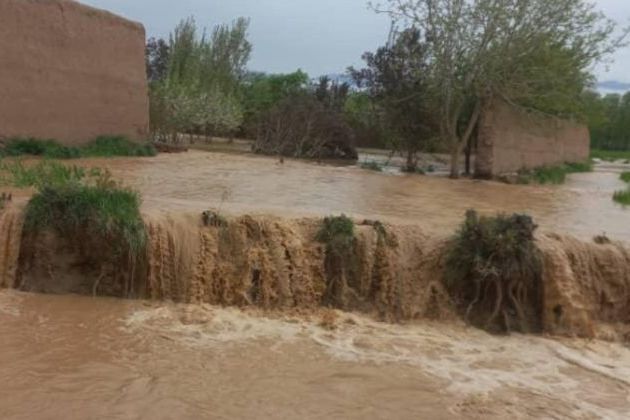
KABUL, Afghanistan: Nearly 110 people have died from the extreme weather that has triggered widespread flooding and landslides in many...
White House press conference details rescue of fighter jet crew
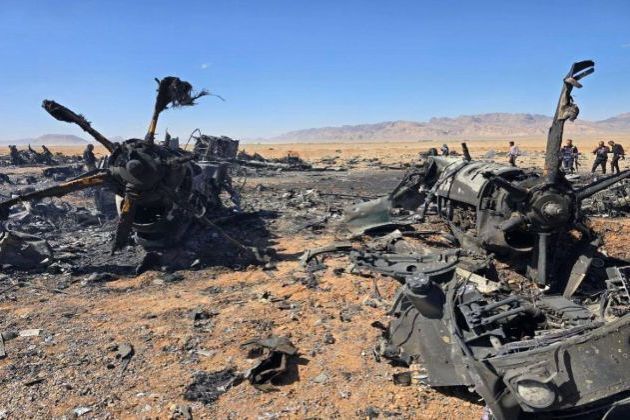
WASHINGTON, D.C.: Detailing the mission to rescue the two-man fighter jet crew downed deep inside Iran, U.S. President Donald Trump...
15 Killed, Synagogue Ruined in Iran Attacks
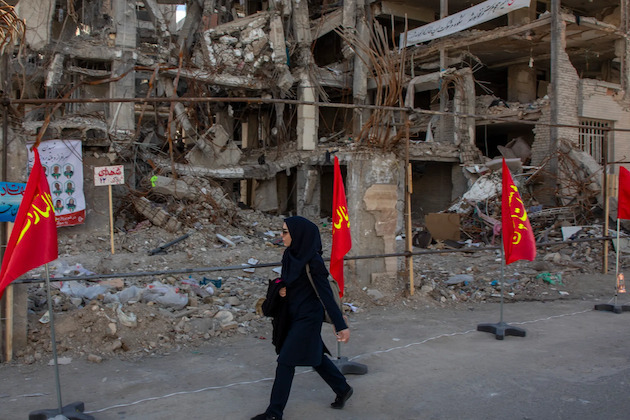
TEHRAN, Iran - A historic synagogue in Tehran has been completely destroyed by U.S.-Israeli strikes that killed at least 15 people...
China moves on e-commerce after EU raises concerns

BEIJING, China: China has unveiled new guidance for its e-commerce sector, signalling a push to balance domestic growth with global...
